Strategies Used by Microsoft to Leverage its Monopoly Position in Operating Systems to Internet Browser Markets
Explore the Microsoft antitrust case examining monopoly power in operating systems and alleged anti-competitive practices in the browser market.

Strategies Used by Microsoft to Leverage its Monopoly Position in Operating Systems to Internet Browser Markets
Michael Baye and Patrick Scholten prepared this case to serve as the basis for classroom discussion rather than to represent economic or legal fact. The case is a condensed and slightly modified version of the public copy of the Complaint filed in Civil Action No. 94-1546 on July 15, 1994 in United States of America v. Microsoft Corporation.
MICROSOFT
Microsoft is the world's largest supplier of computer software for personal computers (PCs), may have engaged in anti-competitive conduct and created anti-competitive effects of its past unlawful conduct. Microsoft sells and licenses PC operating systems throughout the United States and the world and delivers copies of its operating systems to PC manufacturers (often referred to as Original Equipment Manufacturers or “OEMs”) and retail customers across state lines and international borders. Microsoft is engaged in, and its activities substantially affect, interstate and foreign commerce.
Microsoft may possess (and for several years may have possessed) monopoly power in the market for personal computer operating systems. Microsoft's “Windows” operating systems are used on over 80% of Intel-based PCs, the dominant type of PC in the United States. More than 90% of new Intel-based PCs are shipped with a version of Windows preinstalled. OEMs have no commercially reasonable alternative to Microsoft operating systems for the PCs that they distribute.
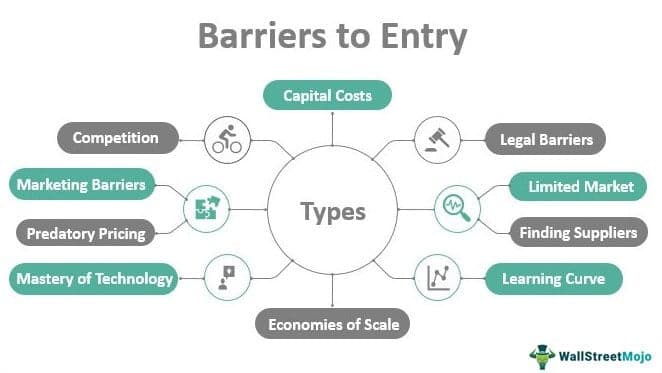
There are high barriers to entry in the market for PC operating systems. One of the most important barriers to entry is the barrier created by the number of software applications that must run on an operating system in order to make the operating system attractive to end users. Because end users want a large number of applications available, because most applications today are written to run on Windows, and because it would be prohibitively difficult, time-consuming, and expensive to create an alternative operating system that would run the programs that run on Windows, a potential new operating system entrant faces a high barrier to successful entry.
Accordingly, the most significant potential threat to Microsoft's operating system monopoly is not from a direct, frontal assault by existing or new operating systems, but from new software products that may support, or themselves become, alternative “platforms” to which applications can be written, and which can be used in conjunction with multiple operating systems, including but not limited to Windows.
To protect its valuable Windows monopoly against such potential competitive threats, and to extend its operating system monopoly into other software markets, Microsoft may have engaged in a series of anticompetitive activities. Microsoft's conduct includes agreements tying other Microsoft software products to Microsoft's Windows operating system; exclusionary agreements precluding companies from distributing, promoting, buying, or using products of Microsoft's software competitors or potential competitors; and exclusionary agreements restricting the right of companies to provide services or resources to Microsoft's software competitors or potential competitors.
The Core Competitive Issue
Microsoft executives internally acknowledged that winning browser market share was essential to preserving Windows’ dominance. Internal communications emphasized “leveraging Windows” to increase Internet Explorer adoption.
The case argues that Microsoft sought not merely to compete on the merits but to use its operating system dominance to suppress browser competition and prevent the erosion of its monopoly power.
Enhance your Academic Performance And Reach Your Goals
See how quick and easy it is to get an exceptional essay with minimal effort on our platform
Why This Case Matters
This case is central to understanding:
- Monopoly power and market dominance
- Network effects and barriers to entry
- Tying and exclusive dealing under antitrust law
- The role of innovation in competitive markets
It remains one of the most significant antitrust cases in modern technology history.
📌 Need Help Analyzing This Case?
If you're writing a:
✔ Business law case analysis
✔ Antitrust economics paper
✔ Strategic management essay
✔ Market structure evaluation
✔ Harvard/APA formatted academic report
👉 Order your customized case study analysis at Onpoint Essays.
We provide:
- Clear economic theory application
- Legal framework analysis
- Structured arguments
- Proper referencing
- Plagiarism-free work
Enjoyed this article?
Subscribe to our newsletter for more insightful content, academic tips, and exclusive updates.
About the Author
Anakin Harrison
PhD, English Literature