Porgy and Bess Summary: Plot, Characters, Themes, and Meaning
Read a clear, structured summary of Porgy and Bess, including its plot by acts, key characters, themes, symbols, and setting—ideal for students.
Porgy and Bess Summary
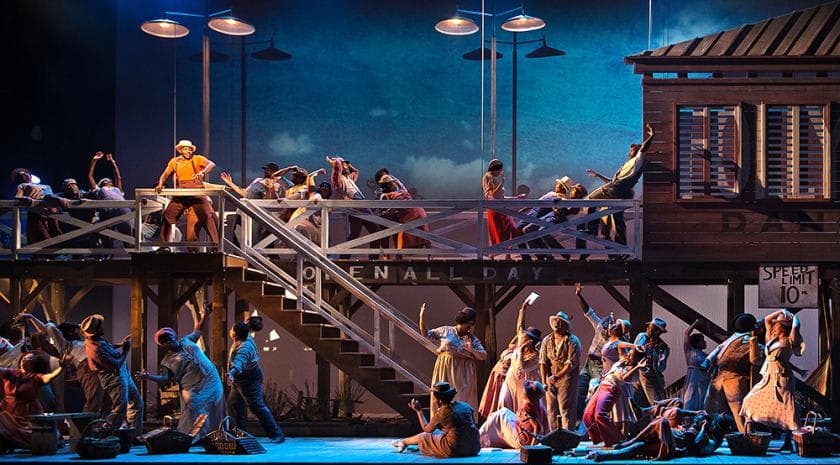
Set in the tough but lively world of Catfish Row, Porgy and Bess is an American folk opera that blends powerful music with a moving story about love, survival, temptation, and community. The opera follows Porgy, a disabled beggar, as he tries to build a new life with Bess—while violence, addiction, and poverty keep pulling them back into danger.
This blog gives you a clear summary of the opera’s background, plot (by acts), major characters, themes, and symbols—written in a student-friendly way. If you need help writing a literature summary, analysis, or essay, you can also find support through OnPoint Essays.
Porgy and Bess Overview
Porgy and Bess is an English-language American folk opera composed by George Gershwin. It was inspired by DuBose Heyward’s 1925 novel Porgy, which later became a stage play written by Dorothy Heyward and DuBose Heyward. Gershwin read the novel and later collaborated with Heyward on the opera’s libretto, with additional lyrics by Ira Gershwin.
The opera was first staged in Boston on September 30, 1935, and later premiered on Broadway at the Alvin Theatre in New York. One notable feature was its professional Black cast—an artistic choice that drew debate at the time. Over the decades, the opera has been revived and reinterpreted many times, including a major revival by the Houston Grand Opera in 1976, helping restore its reputation as a serious opera work.
How the Opera Was Created
Gershwin’s work on the opera intensified in the early 1930s. A visit to Charleston, South Carolina helped him absorb local sounds and culture that influenced the opera’s musical style. Gershwin described the opera as “folk” because it uses music styles that feel rooted in everyday community life—spirituals, blues, jazz, and work songs—while still following operatic storytelling.
Porgy and Bess Plot Summary (By Acts)
Act I: Violence and a New Beginning
The opera opens in Catfish Row during a warm summer evening. The community gathers, music fills the air, and Clara sings a lullaby to her baby (“Summertime”). Men prepare for a dice game, and Porgy arrives in his goat cart to join them.
Crown enters with Bess, and Bess buys drugs (“happy dust”) and alcohol from Sportin’ Life. Many women judge and isolate her, but Porgy shows her quiet compassion.
During the dice game, Crown kills Robbins in a fight, then escapes and abandons Bess behind. With nowhere to go and everyone refusing her shelter, Bess finally turns to Porgy—and he takes her in.
The next night, mourners gather in Serena’s room for Robbins’s wake. A white detective threatens the community and forces them into a rushed burial situation. Despite tension, Bess’s presence slowly shifts as the community begins to accept her.
Act II: Love, Temptation, and Betrayal
A month later, Catfish Row continues daily life, but storms are approaching. Porgy is happier than ever—he sings about his new life and love. Meanwhile, Sportin’ Life continues pushing drugs and tries to lure Bess away by promising excitement and escape in New York.
Porgy and Bess share a love duet that shows they truly want a peaceful life together. Still, Bess is pressured by her past. During a church picnic on Kittiwah Island, Crown reappears, traps Bess, and forces himself back into her life. When she returns, she becomes sick with fever and trauma.
While she recovers, she admits what happened. She chooses Porgy and begs for protection, and he promises to keep her safe.
Then the hurricane hits. People shelter together, praying through the storm. Clara runs out to save Jake, and Crown follows—both Clara and Jake die, and Crown disappears again.
Act III: Loss and a Final Search
After the storm, the community mourns. Bess takes care of Clara’s baby, and Catfish Row tries to recover.
Crown eventually returns in secret to reclaim Bess. Porgy confronts him, and in the struggle, Porgy kills Crown.
Soon after, the authorities return. The detective forces Porgy to identify Crown’s body. When Porgy refuses, he is arrested and taken away. With Porgy gone, Sportin’ Life takes advantage of Bess’s fear and grief. He manipulates her into believing Porgy will never come back, offers her drugs, and paints a tempting image of New York.
Bess relapses and leaves with Sportin’ Life.
When Porgy finally returns, he discovers Bess is gone. Heartbroken but determined, he gets in his goat cart and sets off to find her—ending the opera with a hopeful, painful kind of persistence.
If you’re writing an essay on the ending and what it symbolizes, OnPoint Essays can help you build a strong thesis and analysis.
Enhance your Academic Performance And Reach Your Goals
See how quick and easy it is to get an exceptional essay with minimal effort on our platform
Setting
The opera is set in Catfish Row, a fictional Black neighborhood based on Charleston, South Carolina. The environment reflects poverty, segregation, and limited opportunity, but also strong community support. The setting matters because it shapes choices: survival is hard, and temptation becomes more powerful when life feels trapped.
Main Characters
- Porgy: A disabled beggar with a big heart. He represents resilience and hope.
- Bess: A woman battling addiction and a painful past, torn between healing and relapse.
- Crown: Violent and controlling, driven by power and impulse.
- Sportin’ Life: A manipulative drug dealer who tempts Bess with escape and addiction.
- Serena: A spiritual, strong community figure who prays and supports others.
- Clara & Jake: A couple whose love is real, but crushed by poverty and disaster.
- Maria: A tough, protective matriarch who stands up to wrongdoing.
Themes in Porgy and Bess
1) Poverty and survival
Most characters are trapped in hardship, and this pressure fuels risky choices.
2) Love and loyalty
Porgy’s love is steady, but Bess’s loyalty is tested by fear, trauma, and addiction.
3) Addiction and temptation
“Happy dust” symbolizes how people try to escape pain—but it leads to deeper loss.
4) Racism and power
The law treats Catfish Row as disposable. The detective’s threats show the community has little protection.
5) Community and resilience
Even in tragedy, people support each other—through prayer, music, mourning, and care for children.
Symbols
- The sea: both livelihood and danger; hope and death.
- Porgy’s goat cart: limitation, but also independence and determination.
- The hurricane: fate’s chaos—nature reflecting social and emotional storms.
- Happy dust: short relief that leads to long-term destruction.
- Catfish Row: survival in harsh conditions—enduring no matter what.
Conclusion
Porgy and Bess remains powerful because it shows human struggle without pretending life is simple. Its music carries emotion, but its story asks hard questions about survival, love, racism, addiction, and hope.
Even after losing Bess, Porgy chooses to move forward—showing that resilience is not about avoiding pain, but continuing despite it.
For help with literature summaries, essays, or analysis that meets academic standards, visit OnPoint Essays.
Enjoyed this article?
Subscribe to our newsletter for more insightful content, academic tips, and exclusive updates.
About the Author
Anakin Harrison
PhD, English Literature